How to choose a heat pump for a home in Estonia
Compare heat pumps for the needs of your home. Check SCOP, winter performance, installation scope, installer qualifications and running cost estimates.
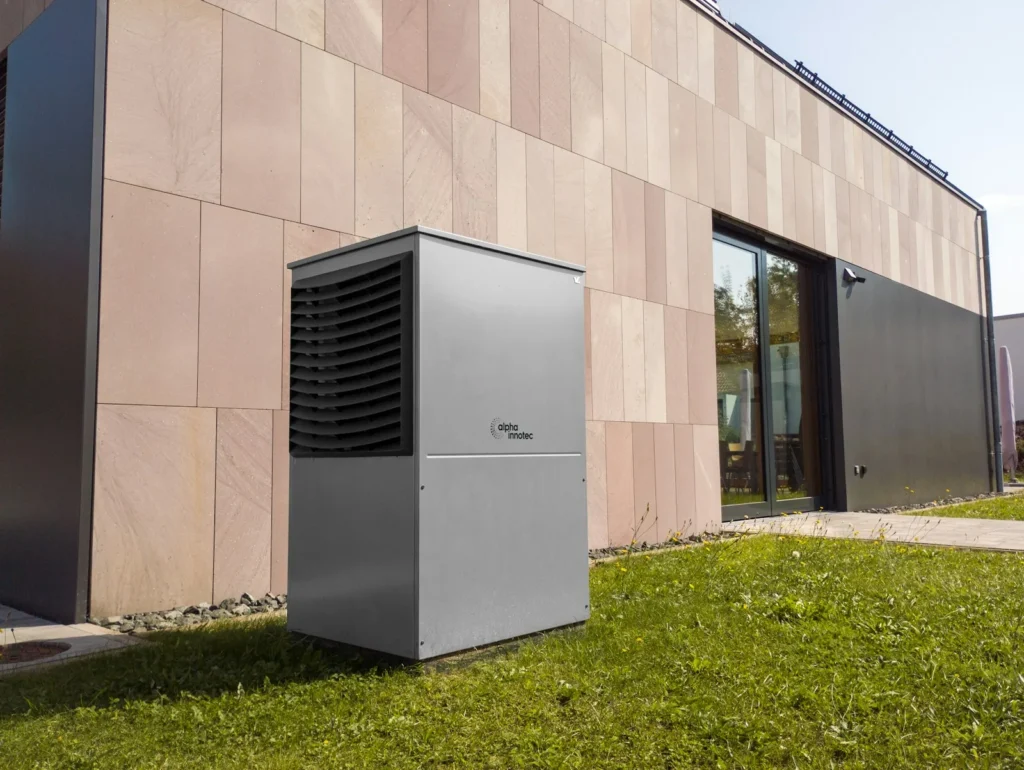
A heat pump should be selected for the building and its heating system. The floor area in a sales listing is only a starting point: insulation, layout, existing heat emitters and winter energy use also matter. Before comparing brands, describe the property and decide whether you need supplementary heating in some rooms or a replacement for the main system.
Define the system you want to change
For the first conversation with an installer, record floor area, ceiling height, construction year and insulation improvements. Describe the current heating and provide a full year's bills. If the building is used only at weekends, that also affects equipment and control requirements.
Ask how the proposed system will distribute heat between rooms. A statement that a unit is suitable for up to 100 m² is not enough when rooms are separated by doors or occupy different floors. For a system connected to water-based heating, discuss compatibility with radiators, underfloor heating and domestic hot water separately.
Compare performance on the same basis
Begin with equivalent test conditions. Energy labels use the seasonal efficiency measure SCOP; some appliances show results for more than one climate zone. Do not directly compare one unit's warm-climate figure with another unit's cold-climate result. [1]
Ask for manufacturer data on heating output and efficiency at low outdoor temperatures. Find out when backup heating starts and how it is included in the running cost calculation. Discuss noise, outdoor unit position, drainage and access for servicing. Include these answers in the written proposal where possible.
Why the equipment price is not the project price
The quotation should distinguish the equipment, standard installation and additional work. For example, when checked on 1 November 2026, City Kliima listed installation of an air-source heat pump or air conditioner at €434 and installation of an air-to-water system at €1,952. These are one provider's published installation prices, not equipment-and-installation totals or an Estonian average. [2]
Check what standard installation covers: permitted pipe length, mountings, electrical connection and commissioning. If access equipment, a difficult wall penetration or alterations to the heating system are required, obtain a price in advance. Clarify VAT, transport and removal of the old appliance separately.
Checking the installer
Work on equipment containing fluorinated greenhouse gases is subject to requirements concerning company authorisations and specialist qualifications. Establish who will actually perform the installation: the seller or a subcontractor. Check the relevant information against the Environmental Board's guidance. A polished website does not itself establish authority to carry out a particular task. [3]
In an apartment building, investigate the requirements for placing an outdoor unit and changing shared structures before ordering. TTJA notes that decisions about common property are made jointly with owners. Discuss the necessary approvals for the particular project with the apartment association and local authority in advance. [4]
Assessing future running costs
Request a calculation based on the property's heating requirement. It should show expected electricity use, assumptions about winter operation and the electricity price used. Ask whether domestic hot water, backup heating and auxiliary equipment are included. A promised saving can be meaningfully compared with current bills only if comfort levels and the scope of costs are comparable.
Obtain two or three quotations against the same brief. Compare the total, the justification for the proposed capacity, servicing terms and responsibility for commissioning. The Ärirada directory can help you find heating and climate equipment companies and prepare a shortlist for quotation requests.
Sources
Information checked: